Cost-Efficiency and Speed: The Financial Benefits of Choosing a Prefabricated Home
When it comes to building a new home, two of the most crucial factors to consider are cost and speed. After all, who doesn’t want to save money and move into their dream home sooner? Prefabricated homes, also known as prefab homes, offer compelling advantages in both of these areas. In this article, we’ll explore how choosing a prefabricated home can be a smart financial decision and how it can expedite the process of moving into your new space. To know more, read https://www.houzz.de/hznb/projects/fertighaus-oder-massivhaus-ein-umfassender-vergleich-der-vor-und-nachteile-pj-vj~7430828.
Understanding Prefabricated Homes
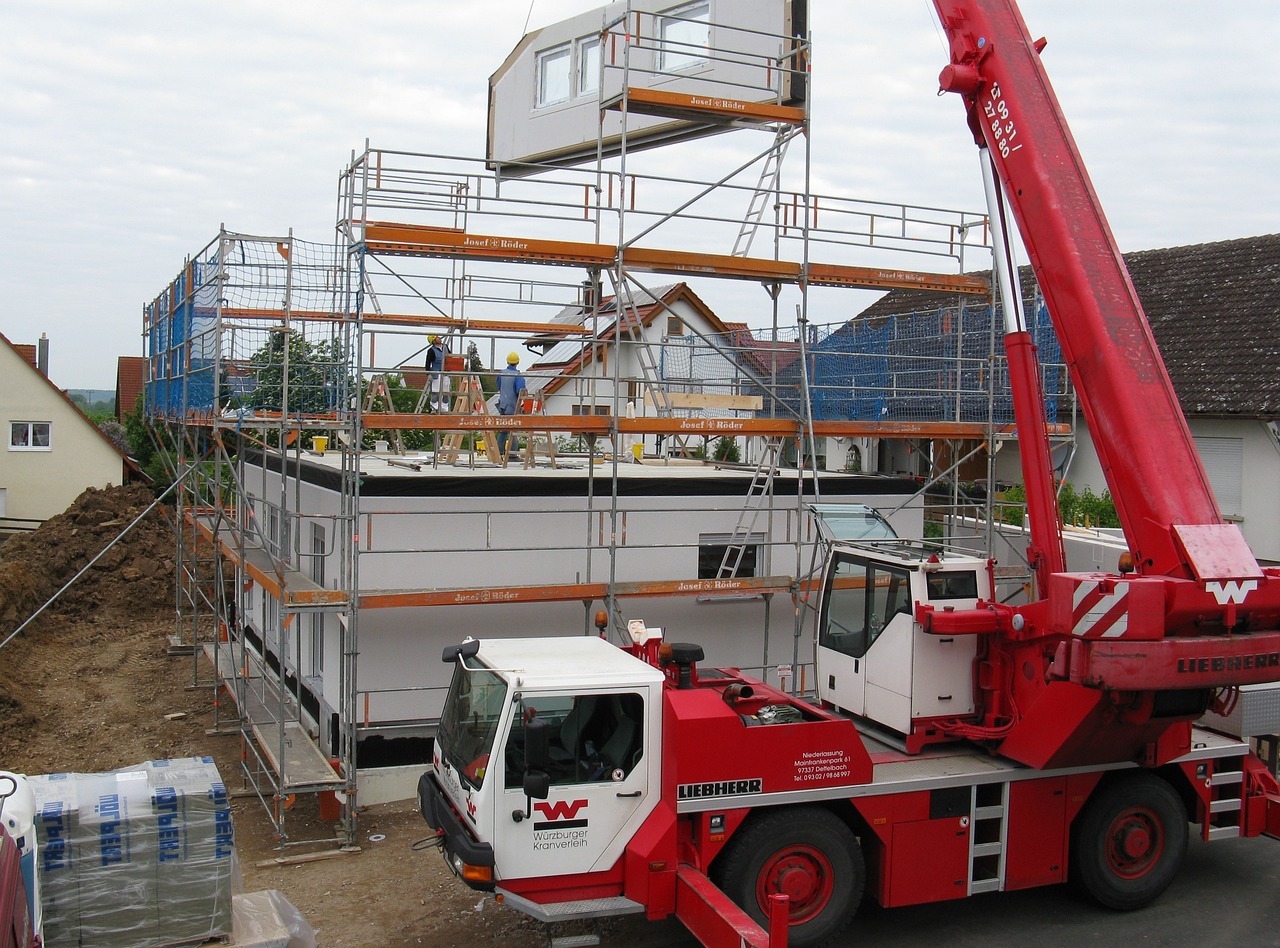
Before diving into the financial benefits, let’s clarify what prefabricated homes are. Prefabricated homes are built in sections or modules in a factory and then transported to the site for assembly. This differs from traditional construction, where homes are constructed entirely from the ground up on-site. There are several types of prefabricated homes, including:
- Modular Homes: Built-in sections, or modules, that are transported and assembled on-site.
- Panelized Homes: This consists of panels that are pre-cut and pre-assembled in the factory and then put together on-site.
- Pre-Cut Homes: All the components are pre-cut and ready to be assembled, similar to a giant puzzle.
Cost-Efficiency: Saving Money With Prefabricated Homes
1. Lower Construction Costs
One of the most significant financial benefits of prefabricated homes is their cost efficiency. Because these homes are built in a factory setting, construction costs are generally lower compared to traditional methods. Here’s why:
- Economies of Scale: Factories produce many homes or parts of homes at once, which reduces the cost of materials and labor.
- Reduced Labor Costs: Prefabricated homes require less on-site labor. The majority of the construction work is done in the factory, minimizing the need for skilled labor on-site.
- Less Waste: Factory production allows for precise cutting and efficient use of materials, which reduces waste and lowers overall costs.
2. Faster Construction Means Lower Costs
Prefabricated homes are known for their speed of construction. Because much of the building process happens in a controlled factory environment, the time spent on-site is significantly reduced. Here’s how this translates to financial savings:
- Shorter Construction Time: On-site assembly of prefabricated homes typically takes just a few weeks, compared to several months or even years for traditional homes. This means lower labor costs and less disruption to your daily life.
- Reduced Financing Costs: With a shorter construction timeline, you’ll spend less on construction loans or other financing options. This can result in substantial savings, especially if interest rates are high.
3. Predictable Budgeting
Prefabricated homes often come with a fixed price tag. Since the majority of the construction takes place in a factory, many of the costs are known upfront, reducing the likelihood of unexpected expenses. This predictability makes budgeting easier and helps you avoid surprises that can arise with traditional home construction, where unforeseen issues can lead to cost overruns.
Speed: Moving In Sooner
Faster Turnaround Time
The speed at which prefabricated homes can be built is one of their most appealing aspects. The streamlined process of factory construction and on-site assembly allows for a quicker turnaround time, meaning you can move into your new home sooner. This is particularly advantageous if you’re on a tight schedule or need to relocate quickly.
Reduced Construction Delays
Traditional home construction can be plagued by delays due to weather, supply chain issues, or labor shortages. Prefabricated homes, on the other hand, are less susceptible to these delays because the majority of the work is done in a controlled environment. This reliability ensures that your home is completed on time, allowing you to plan your move with confidence.
Efficient Project Management
Prefabricated homes benefit from a well-organized and efficient construction process. With many of the components pre-built and assembled in the factory, there is less coordination required on-site. This streamlined approach reduces the potential for miscommunication and delays, further accelerating the timeline from construction to move-in.
In Conclusion
Choosing a prefabricated home can be a financially savvy decision, offering significant cost savings and faster construction times compared to traditional building methods. With lower construction costs, reduced labor expenses, and a quicker move-in timeline, prefabricated homes provide a practical solution for those looking to build or buy a new home without breaking the bank.…