
Why Construction Quality Inspections Should Occur Throughout Every Phase
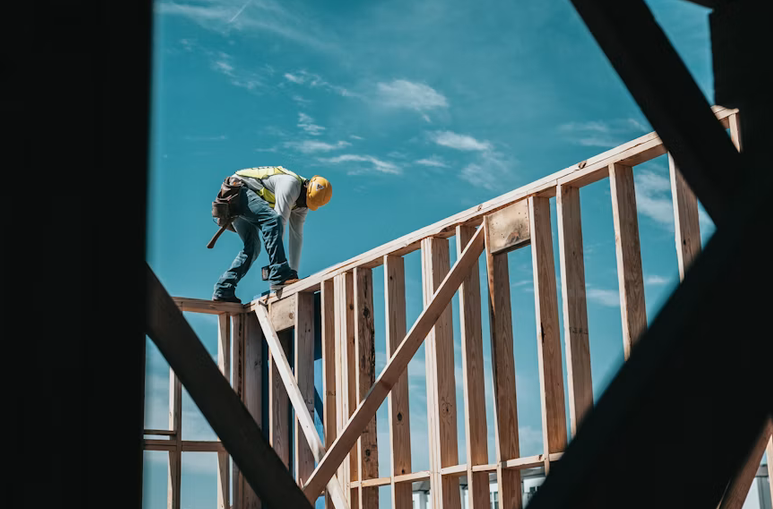
Every construction project depends on careful planning, skilled labor, and quality materials. However, even experienced construction teams benefit from regular inspections during the building process. Construction quality inspections are scheduled evaluations that verify whether completed work meets design requirements, building codes, and project specifications. These inspections are not limited to the final stages of construction. Instead, they take place throughout every phase, allowing project teams from DEAVITA to identify concerns before they affect later work. This approach supports safer buildings, stronger structural performance, and more efficient project management. Understanding why construction quality inspections should occur throughout every phase highlights the importance of monitoring progress from the first day of construction until the project is complete.
Verifying Early Construction Work
The earliest construction stages establish the foundation for everything that follows. Site preparation, excavation, foundation work, and structural framing all influence the long-term performance of the building. Quality inspections during these phases confirm that construction follows approved plans and engineering requirements. Inspectors verify measurements, material placement, and workmanship before additional building components cover completed work. Identifying problems early prevents them from becoming more difficult and expensive to correct later. Strong beginnings support smoother progress throughout the remainder of the construction project.
Monitoring Installation Accuracy
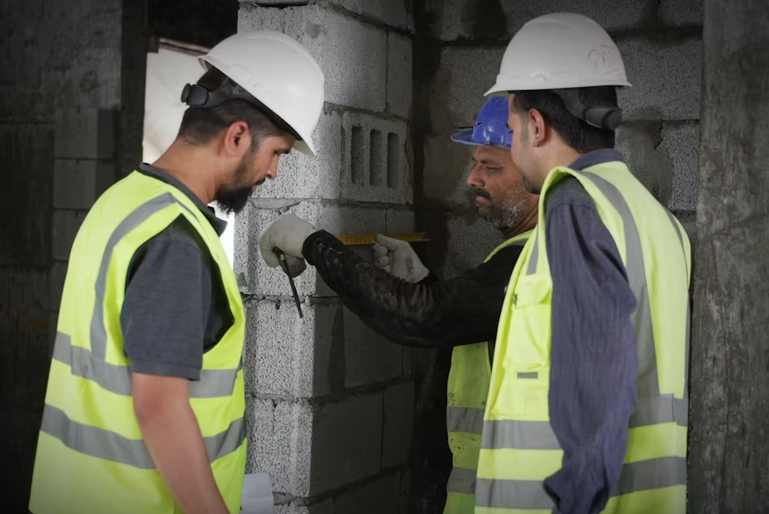
Every stage of construction introduces new building systems. Electrical wiring, plumbing, insulation, roofing, windows, and mechanical equipment all require proper installation. Regular inspections verify that each system has been installed according to project specifications before the next phase begins. For example, plumbing lines may be inspected before walls are enclosed, while electrical systems are checked before drywall installation. Monitoring installation accuracy allows corrections to be made while components remain accessible. This process reduces unnecessary demolition and helps maintain construction efficiency from one phase to the next.
Preventing Costly Rework
Construction errors become more expensive when they remain unnoticed until later stages. A small framing issue discovered after interior finishes have been installed often requires significantly more labor to repair than if it had been identified earlier. Quality inspections reduce this risk by providing continuous oversight throughout construction. Problems are addressed before additional materials or labor depend on incomplete or incorrect work. Contractors spend less time repeating finished tasks, helping projects remain closer to their planned schedules. Preventing unnecessary rework benefits both construction teams and property owners by reducing avoidable expenses.
Supporting Job Site Safety
Construction safety depends on more than personal protective equipment. The quality of completed work also contributes to a safer job site for workers and future occupants. Regular inspections verify that temporary supports, structural components, scaffolding interfaces, and installed systems meet safety requirements before additional work continues. Inspectors also identify hazards that may develop as construction progresses. Safe construction practices protect workers throughout the project while supporting safer buildings after completion. Continuous quality oversight contributes to both workplace safety and long-term structural reliability.
Maintaining Consistent Building Standards
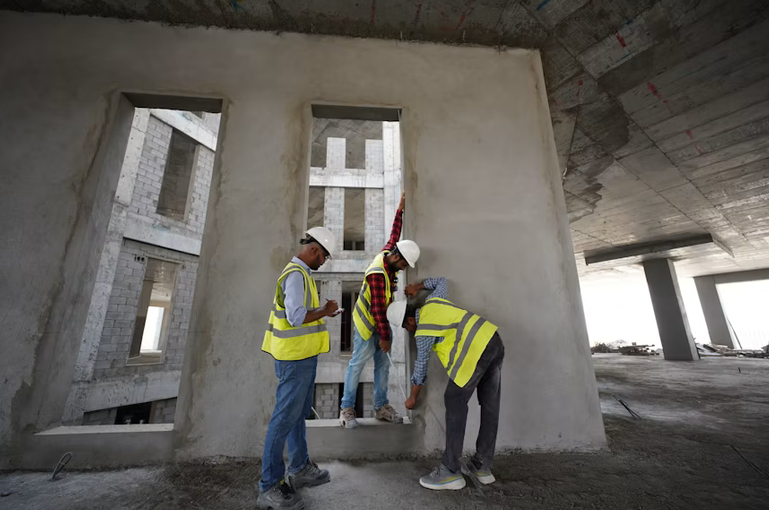
Construction projects often involve many subcontractors working on different systems. Each trade contributes an important part of the finished structure. Quality inspections provide consistent evaluation throughout the project regardless of which contractor performs the work. Every completed phase is reviewed using the same project standards, engineering drawings, and applicable building codes. This consistency improves communication between contractors while reducing misunderstandings that could affect later construction activities. Maintaining uniform standards throughout the project supports higher overall construction quality from beginning to end.
Preparing Successful Project Completion
The final inspection represents only one step in the construction process. A successful project depends on every earlier phase meeting quality expectations before reaching completion. When inspections occur throughout construction, fewer issues remain during final project review. Systems have already been tested, structural components have already been verified, and completed work has received ongoing evaluation. Final inspections become more efficient because previous concerns have been addressed along the way. Continuous quality control allows project teams to complete construction with greater confidence while preparing the building for safe occupancy.
Construction quality inspections should occur throughout every phase because they verify early construction work, monitor installation accuracy, prevent costly rework, support job site safety, maintain consistent building standards, and prepare for successful project completion. Rather than waiting until construction ends, regular inspections strengthen every stage of the building process. Understanding why construction quality inspections should occur throughout every phase demonstrates that quality control is an ongoing responsibility rather than a single event.…