
How Sunrooms Bridge Indoor and Outdoor Living
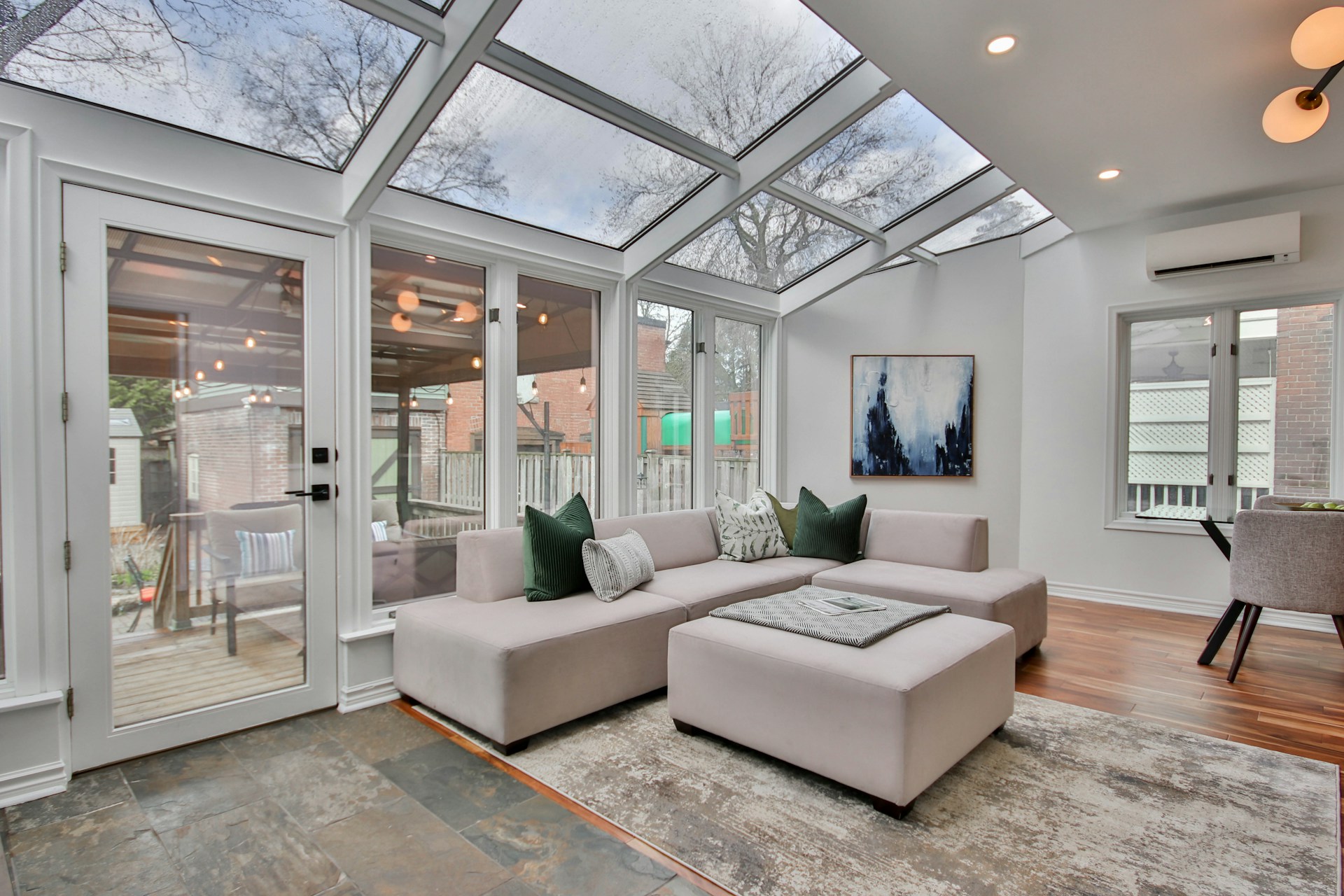
A sunroom creates a unique transition between the comfort of indoor living and the openness of the outdoors, allowing homeowners to enjoy natural light year-round. With expansive glazing and direct connections to gardens or patios, these spaces can provide a comfortable setting for relaxation, dining, or everyday activities regardless of the season. A well-positioned sunroom can also improve the flow between interior and exterior areas while enhancing the overall sense of openness. It is ideal for homeowners considering different spaces that can work together to support a more practical lifestyle. On the other hand, PROMIPOOL offers another perspective on how features such as garages can become purposeful parts of a prefabricated home’s overall design. Exploring these design features reveals why thoughtful planning continues to play an important role in residential living.
How Sunrooms Extend the Living Space
A sunroom can expand the perceived living area of a home without functioning as a completely separate outdoor space. Positioned between the main interior and the garden, patio, or terrace, it creates a gradual transition rather than an abrupt boundary. This arrangement makes the home feel larger because the visual relationship between the interior and exterior becomes more continuous. Even when outdoor conditions are less favorable, the sunroom provides a comfortable setting that maintains a connection with the surrounding landscape.
How Sunrooms Create a Stronger Connection With Nature
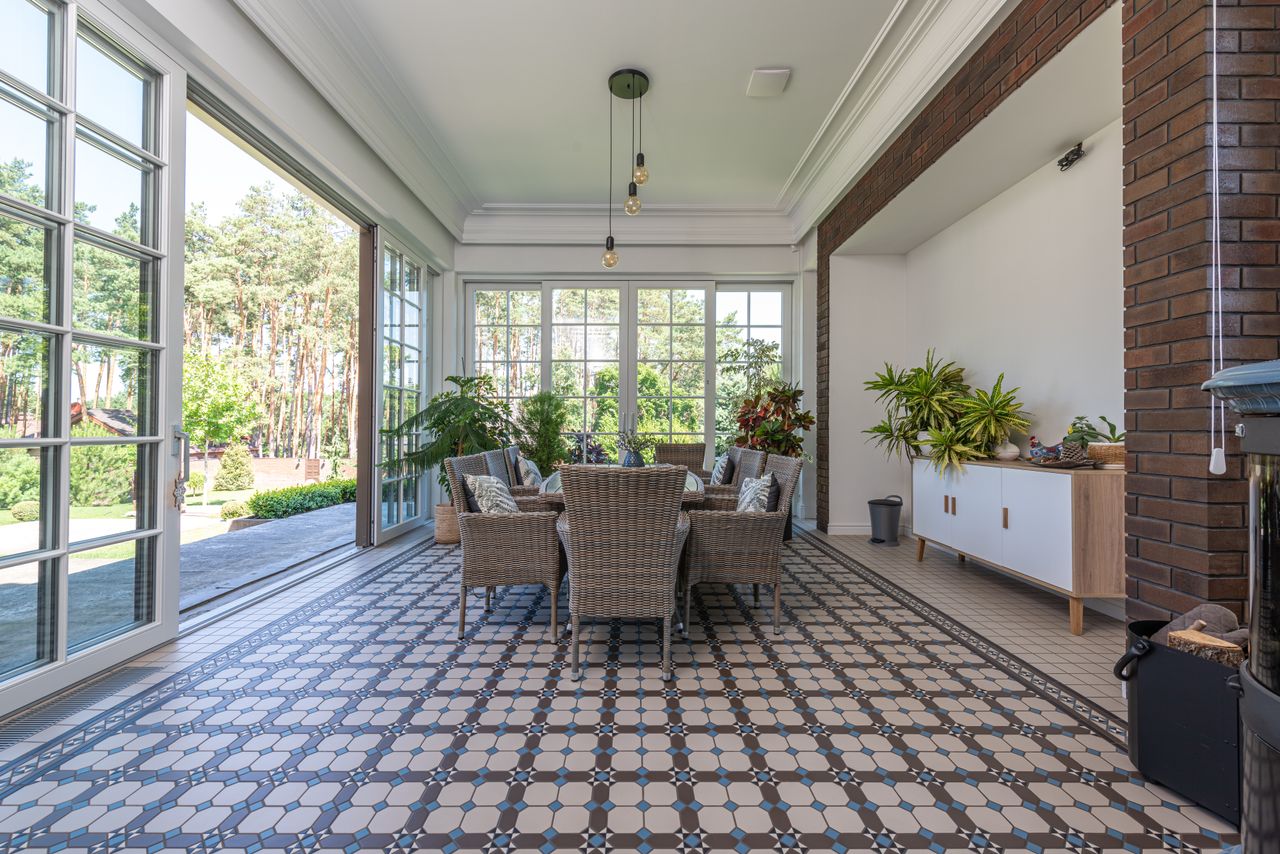
The transparent boundaries of a sunroom encourage a closer relationship between the interior and the surrounding environment. Gardens, trees, landscapes, and changing skies become part of the everyday visual experience, allowing nature to influence the room’s character. Unlike conventional interior spaces with more limited openings, a sunroom places the outdoor environment at the center of attention. This connection helps create a sense of openness while maintaining the comfort and protection provided by an enclosed structure.
The Role of Natural Light in Sunroom Design
Natural light is one of the defining characteristics of a sunroom. Large areas of glazing allow daylight to enter from multiple directions, creating an interior that changes throughout the day as sunlight shifts across the space. This abundance of light can influence the atmosphere of adjoining rooms by reducing the contrast between indoor and outdoor environments. Seasonal variations also become more noticeable, allowing occupants to experience changing weather conditions and natural scenery while remaining within the shelter of the home.
Why Sunrooms Support Flexible Everyday Use
A sunroom can accommodate a variety of activities because its position and lighting conditions allow it to serve different functions throughout the day. It may become a place for reading, dining, conversation, creative work, or quiet relaxation depending on household routines. Its relationship with both the interior and the outdoors allows it to adapt naturally to changing needs without requiring a highly specialized layout. This flexibility makes the sunroom a versatile part of the home rather than simply an additional sitting area.
Sunrooms bridge indoor and outdoor living by creating spaces that combine the protection of an enclosed interior with the openness and natural qualities of the surrounding landscape. Through abundant daylight, expansive views, and flexible everyday use, they strengthen the relationship between architecture and nature without fully separating them. Their transitional design influences how homes are experienced by extending living spaces and encouraging greater interaction with the outdoors. As a result, sunrooms play an important role in creating residential environments that feel brighter, more connected, and more adaptable year-round.…