
The Global Trends Driving the Popularity of Prefab Houses
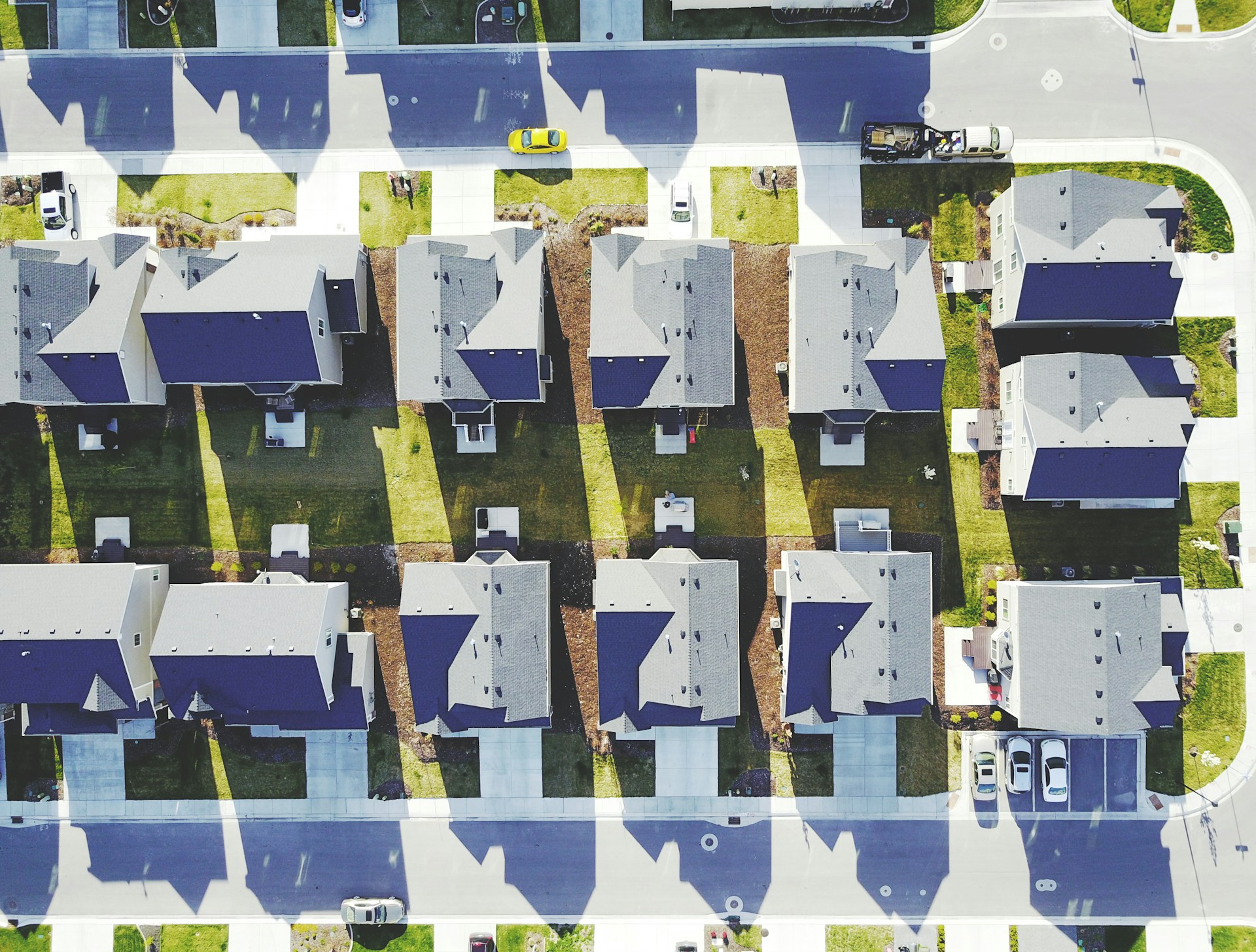
Prefabricated houses, or prefab homes, are gaining popularity worldwide. These homes are built using components manufactured off-site and then assembled at the construction site. This approach offers speed, quality control, and reduced waste compared to traditional construction. Growing demand for affordable, efficient, and sustainable housing is driving the adoption of prefab homes across diverse markets.
Urbanization and Housing Demand
Based on www.immobilien.de/, rapid urbanization is a key factor behind the prefab trend. Cities around the world are expanding quickly, creating pressure for faster and more cost-effective housing solutions. Prefabricated homes can be constructed faster than conventional buildings, helping cities meet growing residential demand. Their modular nature allows for scalability, making it easier to accommodate dense urban populations.
Cost Efficiency and Affordability
Rising construction costs and labor shortages are making traditional building more expensive. Prefab homes offer a cost-effective alternative by reducing labor requirements and minimizing material waste. Factory-controlled environments allow precise planning and bulk purchasing of materials. This ensures predictable costs and faster completion, making prefab homes appealing to both homeowners and developers.
Sustainability and Environmental Concerns
Environmental awareness is another global driver of prefab popularity. Prefabricated construction reduces waste, energy use, and carbon emissions. Many prefab homes incorporate renewable energy, high-performance insulation, and sustainable materials. By focusing on environmentally responsible practices, prefab housing aligns with the growing demand for green and sustainable living.
Technological Innovation
Advances in construction technology have made prefab homes more versatile and attractive. Computer-aided design (CAD), 3D modeling, and modular production techniques allow for precision and customization. Smart home integration is easier during prefab construction, enabling energy management, security, and automation systems. These technological developments ensure homes are not only efficient but also modern and functional.
Lifestyle Preferences
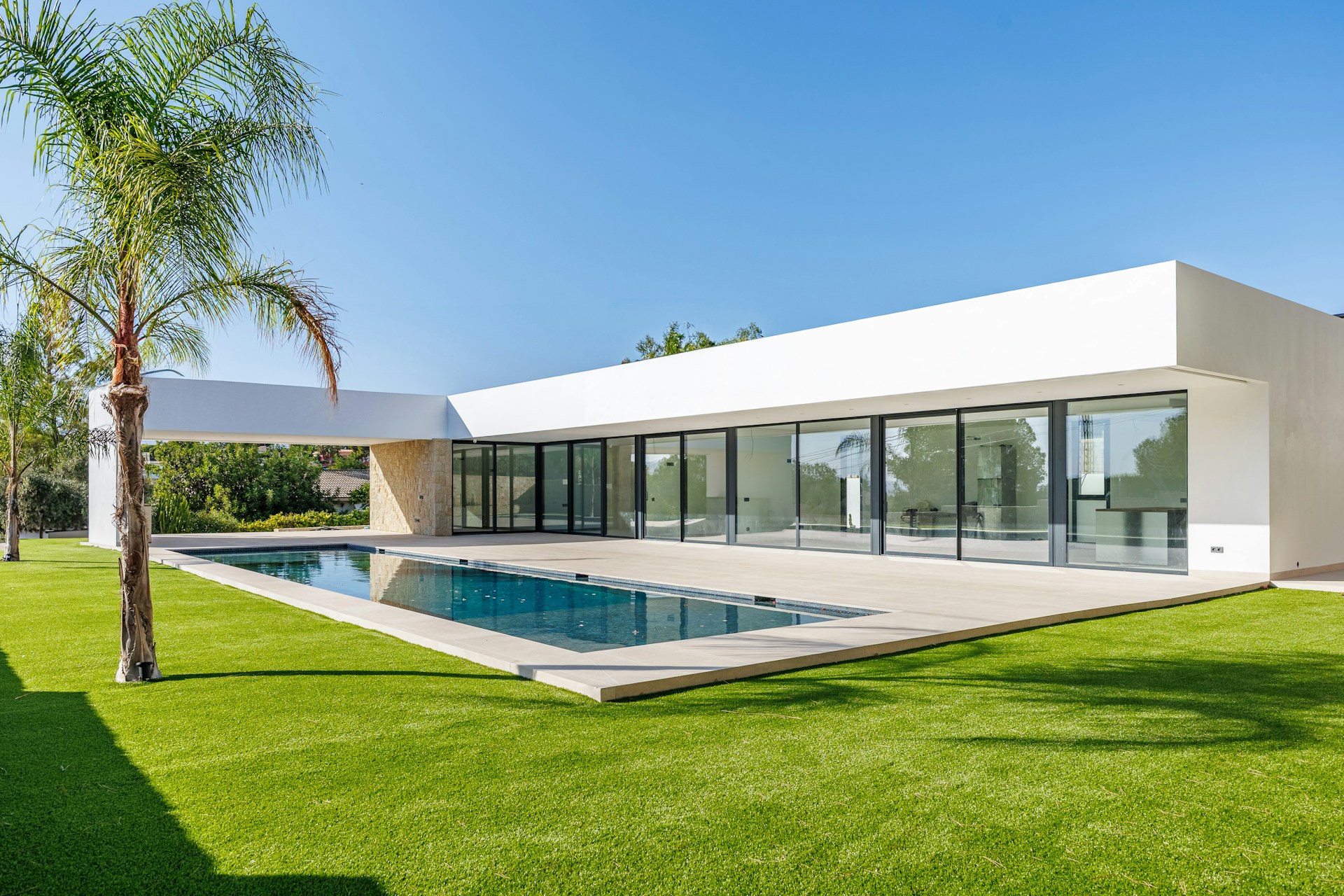
Lifestyle trends also influence the demand for prefab homes. Many homeowners now prioritize flexibility, speed, and customization over traditional building methods. Prefab homes offer a balance between design options and efficiency. People appreciate the ability to choose layouts, finishes, and eco-friendly features without long construction delays. This adaptability makes prefab homes appealing to a diverse range of buyers.
Global Market Expansion
Prefabricated housing is no longer limited to a few regions. Europe, North America, and parts of Asia are witnessing rapid growth in prefab adoption. Government incentives, public-private partnerships, and innovative housing projects are helping expand the market. The global reach of prefab housing reflects its ability to meet universal needs for speed, cost efficiency, and sustainability.
The future of prefab housing looks promising. As urbanization continues and environmental concerns intensify, prefab homes offer a practical solution. Advances in materials, energy efficiency, and modular construction will enhance their appeal. Developers and architects are exploring new designs, while governments support prefab housing to address housing shortages. The combination of affordability, speed, and sustainability ensures prefab homes will remain a global trend for years to come.…