
Creating Smarter Spaces: 4 Home Technologies Architects Swear By
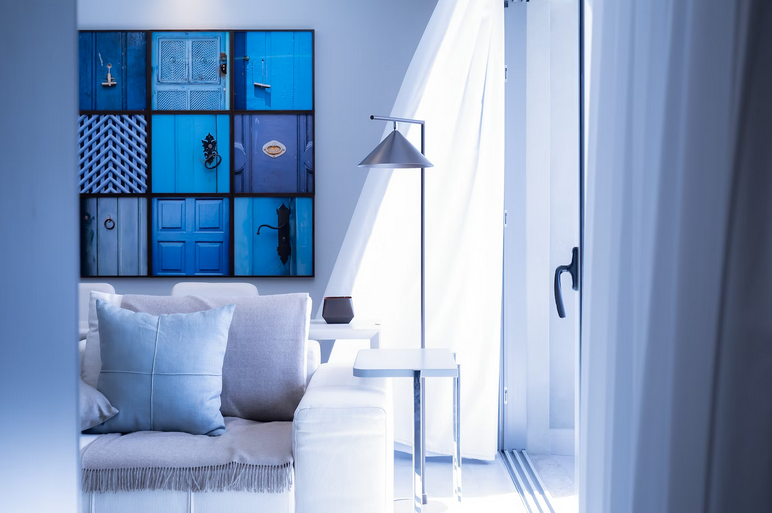
Gone are the days of dimly lit rooms, tangled wires, and fumbling for keys at your front door. Thanks to advancements in technology, architects are now creating smarter spaces that not only enhance our daily lives but also bring a touch of luxury and convenience into our homes. When these professionals plan our houses, they follow a certain process for a great outcome. If you want to learn about it, visit www.hausbauhelden.de. From intelligent lighting systems to state-of-the-art audio-visual integration, these innovative solutions have become must-haves for homeowners looking to elevate their living experience. Join us as we delve into four home technologies that architects swear by – get ready to be amazed.
Smart Lighting Systems
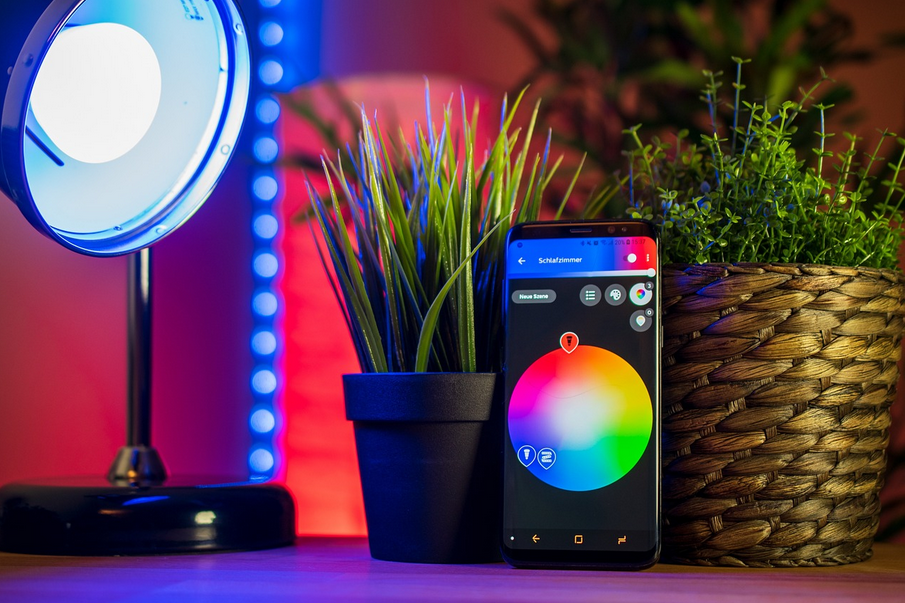
Step into a world where lighting is no longer just about flipping a switch. Smart lighting systems have revolutionized the way we illuminate our homes, offering an array of features that go beyond simple brightness control. These intelligent systems allow you to customize your lighting preferences with ease, whether it’s adjusting the intensity or color temperature to create different moods for any occasion. One of the most popular smart lighting solutions is voice-activated control. Gone are the days of searching for light switches in the dark – command your lights to turn on or off using voice commands through devices like Google Home or Amazon Echo. But it doesn’t stop there.
Audio-Visual Integration
Imagine walking into your living room, and with a simple voice command, the lights dim, the blinds close, and your favorite movie starts playing on the big screen. This is the magic of audio-visual integration. It goes beyond just watching movies or listening to music; it’s about creating immersive experiences that truly elevate your home. With an integrated audio-visual system, you can seamlessly connect all your devices – from TVs to speakers to gaming consoles – into one centralized hub. No more fumbling with multiple remotes or tangled wires. Everything is interconnected and easily controlled through a user-friendly interface.
Home Security and Surveillance
When it comes to creating smarter spaces, architects are increasingly turning to technology for enhanced home security and surveillance. With advancements in smart home systems, homeowners now have access to a wide range of options that can help protect their property and loved ones. One popular feature is the integration of security cameras throughout the home. These cameras provide real-time video feeds that can be accessed remotely, allowing homeowners to monitor their property from anywhere in the world. Additionally, many cameras now come equipped with motion sensors and facial recognition technology, providing an added layer of protection against potential intruders. Another important aspect of home security is the use of smart locks. Gone are the days of worrying about lost keys or unauthorized access.
Integrated Climate Control
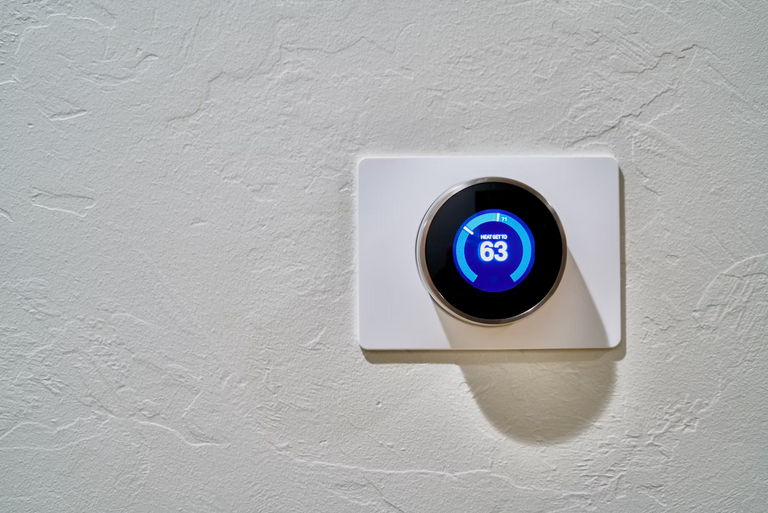
The most innovative home technology that architects swear by is integrated climate control. This advanced system allows homeowners to have complete control over the temperature and humidity levels in their homes, ensuring optimal comfort throughout the year. With integrated climate control, you can easily adjust the settings from your smartphone or tablet, even when you’re away from home. Say goodbye to coming back to a stuffy or freezing house after a long day at work – turn on your heating or cooling system before you arrive and walk into a perfectly temperate environment. But it doesn’t stop there – this technology goes beyond basic temperature control. It also includes features such as automated blinds that adjust based on sunlight intensity, smart ventilation systems that improve indoor air quality, and even personalized settings for different rooms in your home.
As the demand for smarter living spaces continues to grow exponentially, architects are embracing these technologies as essential tools for designing modern homes that meet the needs of today’s tech-savvy homeowners. These innovations not only enhance everyday life but also add value to properties in terms of functionality and sustainability. So whether you’re considering building a new home or renovating your existing one, don’t hesitate to explore these cutting-edge technologies. With the help of architects who swear by them, you can create a space that is both sophisticated and convenient – a place that truly reflects your lifestyle.…
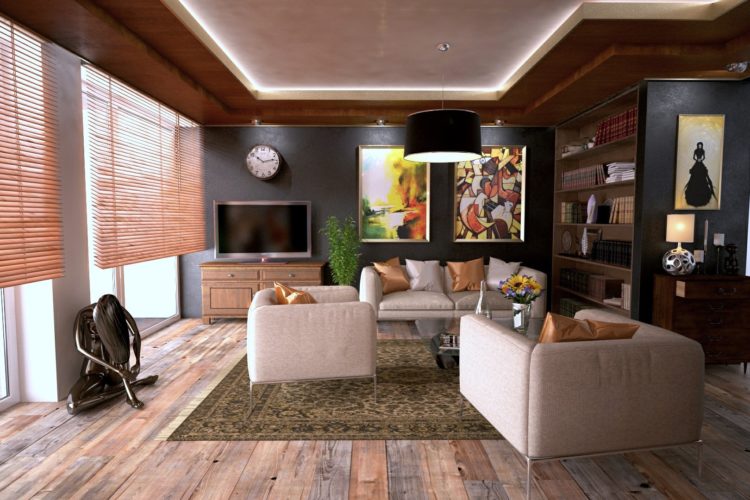
 Before designing anything in our home, we need to define the tone and depth of the background. We need to paint the interior of any design area to enhance the rest of the design elements. Color trends have changed, and if you haven’t painted your home in a while, you should decide to pay critical attention to the basic but crucial design tool. There are now many more beautiful colors to choose from, and the colors you choose will set the mood and background for virtually any home design application (see our website for some ideas on ideal ways to use color to enhance your home).
 You need to improve your FLOOR. You can do what you want with furniture and so on, but if you put in a history of outdated floors and colors, you have wasted your time. If you’re renting or living in a dorm or some other circumstance, then you can’t just replace that old floor. They come in all shapes, colors, and sizes, and can be the perfect solution to your flooring problem. That’s right, you can’t flip through an interior design magazine without seeing a rug on your floor. That’s how important they are to the design of your home.…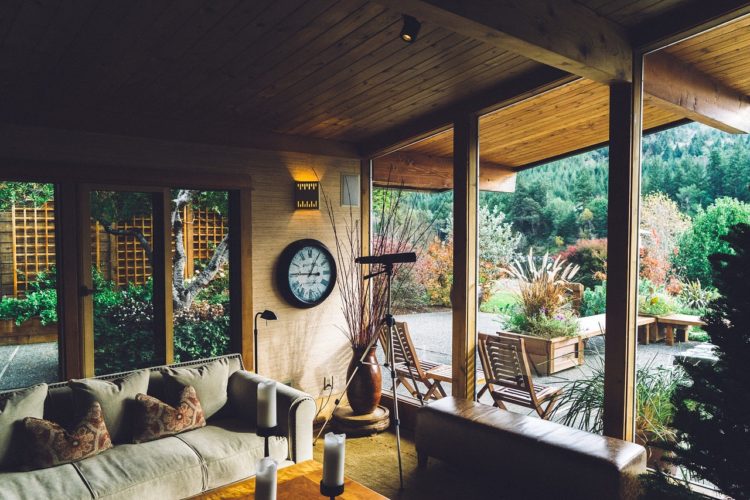
 Decorate it with a common theme. Besides the use of living room furniture, why not use a similar color theme? Shading is perhaps one of the simplest approaches to connecting two areas of thought. When you use identical furniture and colors, you have the natural feeling of being in one place of the house, and it doesn’t end when you venture into the adjacent outdoor area.
 The ideal tool to integrate the internal-external flow is the use of dedicated doors. While a door further separates the interior from the exterior, these doors are created with these unique structural style ideas. The sidewalk should also flow easily inside so that people don’t get confused with where they need to move. You could use a softly curved layout, but remember that you don’t want your visitors walking around thinking they’ve taken the wrong path, which may never lead them to the front door to guide them through.…