
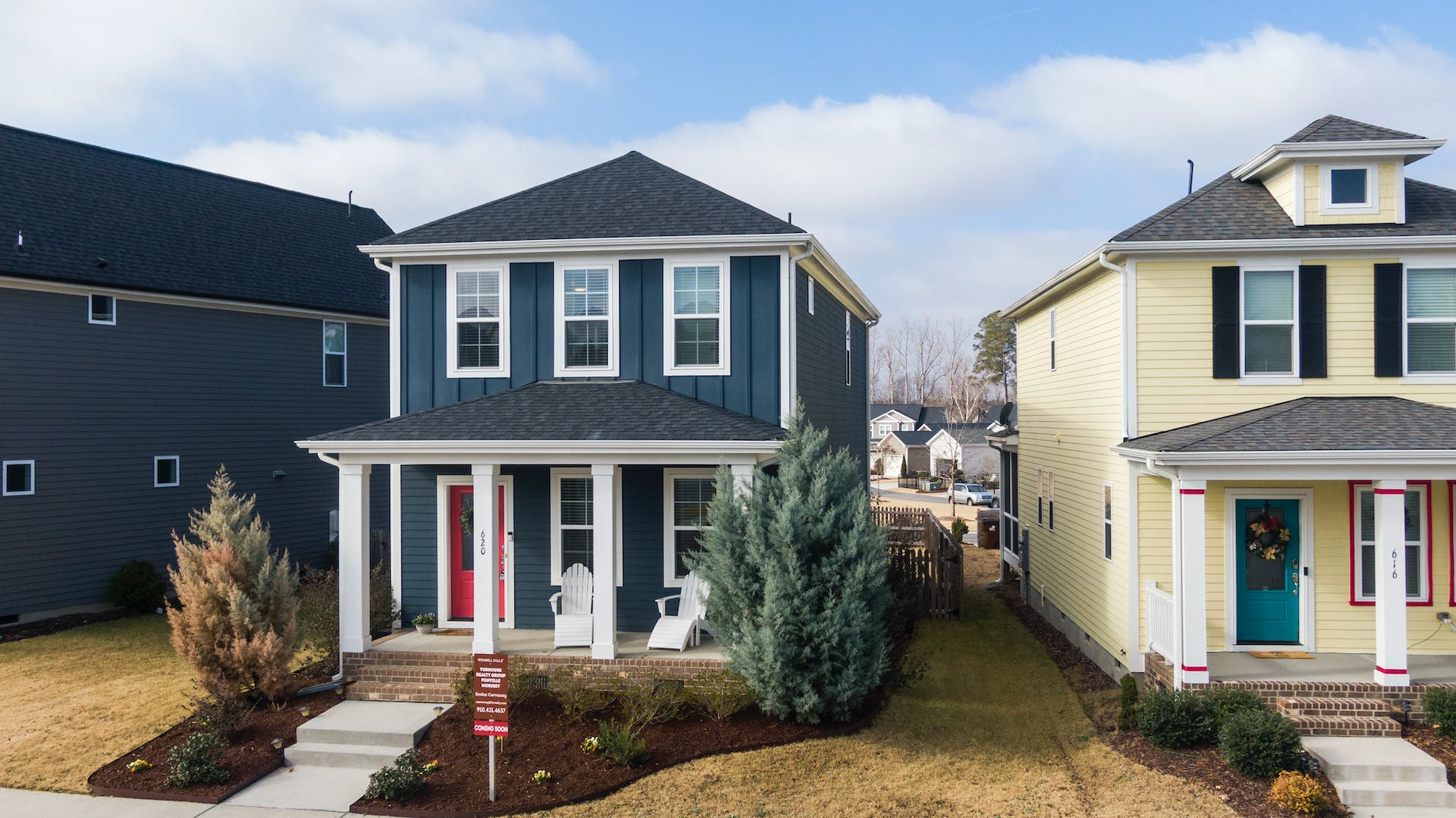
According to Immoportal, the lack of affordable housing is a pressing issue in many parts of the world. The rising cost of living, stagnant wages, and limited supply of affordable homes make it difficult for low-income families to find suitable housing options. One solution that has gained traction in recent years is prefabricated housing. Prefabricated or prefab homes are constructed off-site and assembled on location. They come in various shapes, sizes, and designs and can be customized according to the buyer’s preferences. This article explores the role of prefabricated housing in providing cost-effective and sustainable solutions to this ongoing challenge.
The Affordable Housing Crisis: A Global Challenge
The escalating cost of housing, especially in urban areas, has left many people struggling to find housing that aligns with their budgets. The combination of rising construction costs, high land prices, and increased demand for housing has created a housing crisis that affects people from all walks of life. According to a report by the World Resources Institute, 1.2 billion people worldwide lack access to safe and affordable housing. This is a staggering figure that highlights the scale of the problem.

The Impact of Affordable Housing on Communities
The lack of affordable housing not only affects individuals and families but also has an impact on entire communities. Without adequate housing options, people are forced to live in substandard conditions or relocate to remote areas with limited access to employment opportunities and basic services. This leads to social isolation, economic disadvantage, and poor overall quality of life for individuals and their families. It also puts a strain on local economies, as the lack of affordable housing limits population growth and hinders economic development.
How Prefabricated Housing Can Help
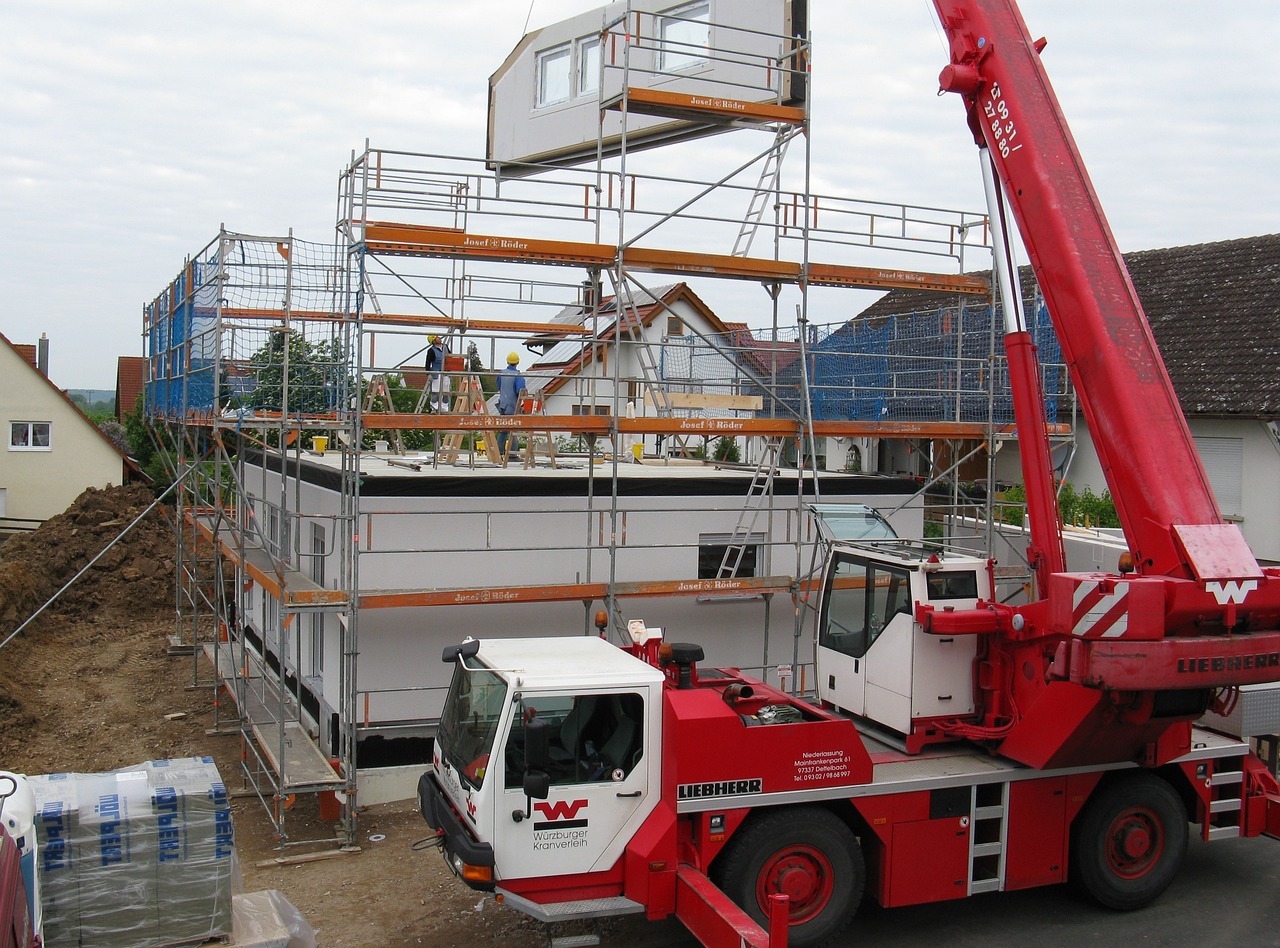
Prefabricated housing has emerged as a promising solution to the affordable housing crisis. With its off-site construction process, prefabricated homes can be built faster and cheaper than traditional stick-built homes. This means that more units can be produced in a shorter period of time, helping to increase the supply of affordable housing. Additionally, because they are manufactured in controlled environments, prefab homes have higher quality control standards and are more energy-efficient than conventional homes. This leads to cost savings for homeowners in terms of lower utility bills.
Sustainable Solutions for Affordable Housing
In addition to providing cost-effective solutions, prefabricated housing also offers sustainability benefits. Traditional construction methods often generate large amounts of waste, while prefab homes are built using precise measurements to minimize material waste. Moreover, with the growing focus on environmentally friendly practices and energy efficiency, many manufacturers have started incorporating green building techniques into their prefab home designs. This not only reduces the environmental impact but also lowers operating costs for homeowners in the long run.
In Conclusion
The affordable housing crisis is a complex issue that requires innovative solutions. Prefabricated housing has the potential to bridge the gap between supply and demand for affordable homes. Its fast construction process, cost-effectiveness, and sustainability benefits make it a viable option for addressing the pressing need for safe and affordable housing. However, government support and collaboration with private sector initiatives are crucial in fully realizing the potential of prefabricated housing as a key solution to this ongoing challenge.